Strategist · Product · AI · Audio
The most valuable
thing I do is notice
what isn't there.
Thirty years across audio, AI, product, and photography have taught me one thing: the gap between what's visible and what's actually happening is where every important decision lives.

How I think
I don't solve the problem in front of me. I solve the one behind it.
Most teams are very good at building what they've decided to build. The harder, rarer skill is questioning whether the decision itself was right before the first line of code is written.
I've spent decades watching capable people build the wrong things very efficiently. My work is in the space before that happens.
01
Most problems are the symptom.
The real problem is usually one layer deeper, often unspoken, frequently uncomfortable to name.
02
Clarity precedes momentum.
Moving fast on the wrong thing is expensive. Slowing down to think clearly is the most underrated strategic act.
03
The assumptions you don’t know you’re making are the dangerous ones.
Every product contains a stack of invisible bets. Making them visible is the beginning of good strategy.
04
Simple is a decision, not an accident.
Simplicity requires you to know what to remove, which requires understanding what actually matters.
Things I've built
Products that started as something I needed.
Product X-Rays
Things people believe. Questions I'd ask.
These are real beliefs I encounter in real teams. Open each one — not to prove them wrong, but to find where they haven't been tested.
"We need to add more features to compete."
The question I’d ask
"Which of your existing features are your best users actually using — and why?"
Feature requests are rarely about features. They're usually about a problem the product hasn't solved clearly enough. Before adding anything new, understand whether the current product is doing its job. More often than not, the answer is: not completely.
"Our users don’t really understand how powerful this product is."
The question I’d ask
"What if they understand it perfectly — and just don’t value what it does?"
This belief places the failure with the user's comprehension. It rarely lives there. If people aren't discovering a product's power, it hasn't connected what it does to what those people actually care about. That's a positioning problem, not an education problem.
"We should move quickly — we can fix it later."
The question I’d ask
"Which part of this are you comfortable never fixing — because that’s usually what happens?"
Speed is genuinely valuable. But "fix it later" requires three things to be true: that later exists, that later has capacity, and that the first version hasn’t established a pattern you now have to maintain. Most product debt isn’t from incompetence. It’s from this decision, made confidently, at the wrong moment.
"We need more user research before we can decide."
The question I’d ask
"What specifically will you know after that you don’t know now — and what decision will it change?"
User research becomes useful when you're asking a precise question whose answer will change what you build. Without that intention, more research is a way of feeling active while postponing a decision. Most teams already know what they need to know. What they need is the nerve to act on it.
"If we build it right, growth will follow."
The question I’d ask
"What is your plan for the person who would benefit most from this — to actually find it?"
Quality is necessary but not sufficient. The world is full of well-built things that nobody found. Distribution, positioning, and timing are as much a part of product as the product itself. This belief has quietly killed more good products than bad code ever has.
Work together
Need help deciding what deserves your attention?
Email first if you're exploring fit. Book a Triage Call when you're ready to talk through a specific problem.
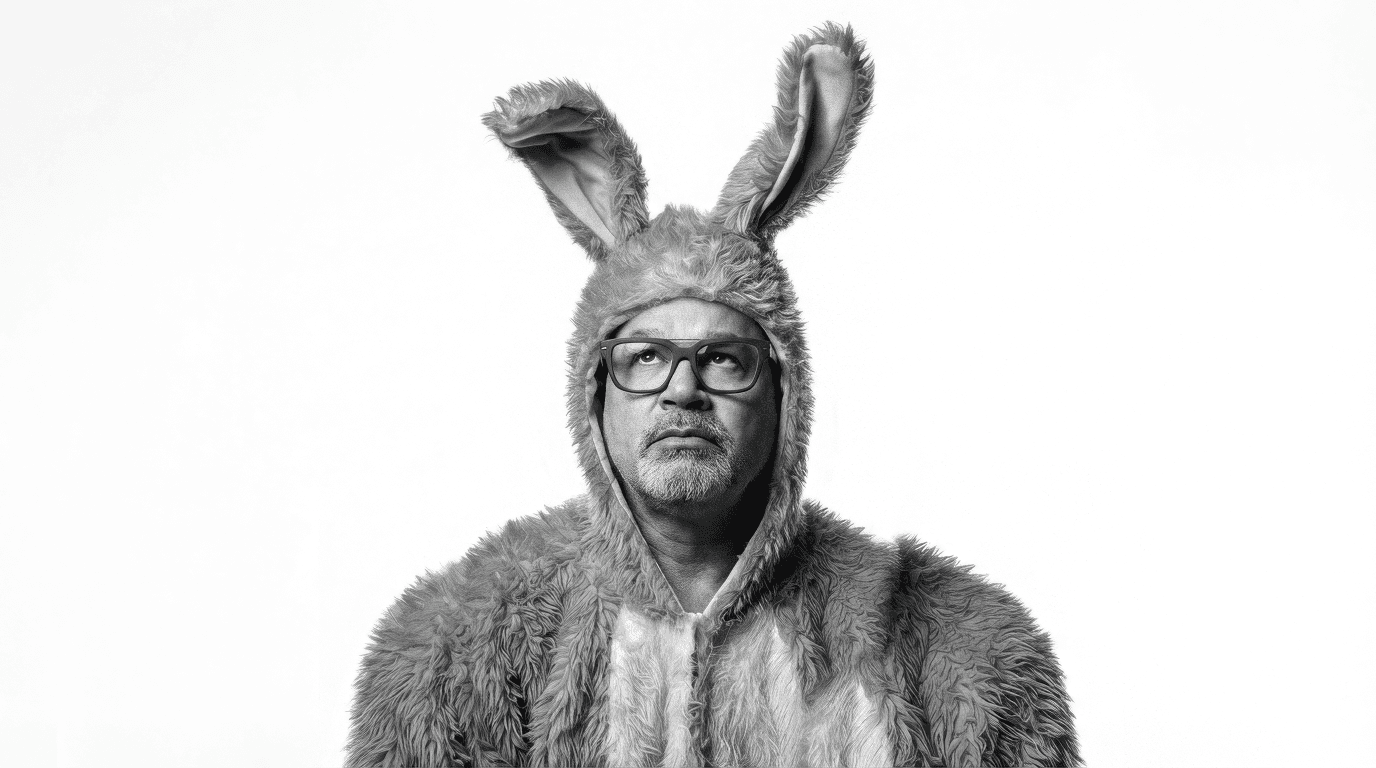
About
Thirty years of noticing what others walk past.
I've spent my career in the gaps between disciplines. Audio engineer who thinks like a product manager. Photographer who thinks like a strategist. Speaker who thinks like a builder.
That cross-discipline perspective is the work. The ability to walk into a room — whether it's a recording studio, a product review, or a boardroom — and see patterns that people who've always been in that room have stopped noticing.
The titles change. The way of thinking doesn't.
I also offer Product strategy and creative advisory for founders, creatives and product teams.
- Senior Product Manager · AI & content tools
- Product Strategist · B2B & consumer SaaS
- Audio Engineer · 35 years professional
- Keynote Speaker · International stages
- Fine Art Photographer · Long exposure & landscape
- Published Author · Self-development
- AI Product Builder · Independent founder
- Music Producer · 35 years
"I am most useful in the conversation before the work begins. Not because I have all the answers — but because I know which questions change everything."